
By Dr Sun. Translated from the original Zhihu article, published on 12 July 2020. This translation preserves the author’s views, research descriptions and recommendations as they appeared in 2020. References to current evidence, trial status, formulations and doses relate to that original publication date.
When India comes to mind, many people think of the distinctive aroma of curry. This food, loved by some and avoided by others, is made by cooking with a mixture of spices. Today I would like to discuss one particular spice used in curry: turmeric. Besides being a seasoning, turmeric has been used medicinally in many traditional systems of medicine, and its reported properties have attracted considerable research interest. By the time of writing, thousands of published studies and more than 150 human clinical trials had made turmeric one of the most extensively studied natural ingredients. This is the story of how modern medical methods have been used to investigate a substance from traditional medicine.
Turmeric as a spice and traditional medicine
Turmeric is a plant that, according to the historical account discussed here, has been known and used for more than 6,000 years. It is widely consumed as a spice in Southeast Asia and the Middle East and is also used medicinally. In India’s traditional Ayurvedic medicine, turmeric has a broad range of attributed uses. It has been considered a means of increasing overall energy, relieving flatulence, expelling worms, improving digestion, regulating menstruation, dissolving gallstones, relieving arthritis, reducing inflammation and fighting microbes. Traditional uses also include respiratory conditions, liver disease, hypoxia, rheumatism, diabetic wounds, runny noses, coughs and sinusitis.
Applied externally, turmeric has been thought to improve skin quality, remove microbes from wounds and accelerate healing. Turmeric is also a Chinese medicinal herb. The Chinese Pharmacopoeia describes its traditional functions as dispersing blood stasis, promoting the movement of qi, unblocking menstruation and relieving pain. Listed uses include stabbing pain in the chest and flanks, amenorrhoea, abdominal masses, rheumatic pain in the shoulders and arms, and swelling and pain following falls or other injuries.
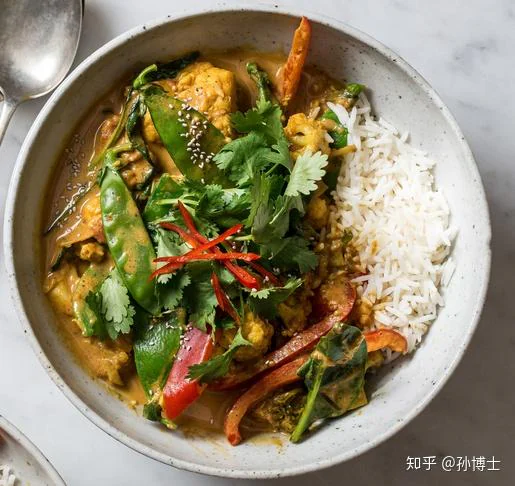
Turmeric is one of the spices commonly used in curry.
A possible link with lower cancer incidence in India
Among turmeric’s many proposed effects, its possible role in cancer prevention has attracted particular attention. In one comparison of cancer incidence, researchers reported overall rates among Indian residents of India of 111 cases per 100,000 men and 116 per 100,000 women. These were similar to the rates among Indian residents of Singapore, at 102 per 100,000 men and 132 per 100,000 women.
However, cancer incidence among Indians living in Western countries was noticeably higher than among those living in India. The figures were 173 per 100,000 men and 179 per 100,000 women in the UK, and 152–176 per 100,000 men and 142–164 per 100,000 women in the US. Rates among the white US population were considerably higher than those among the population of Indian origin, at 362 per 100,000 men and 296 per 100,000 women.
Another study reported a similar pattern. Although there were exceptions for a few cancer types, the overall standardised incidence ratios among people of Indian and Pakistani origin, relative to the white population, were 0.46 for men and 0.55 for women. Apart from breast cancer, cancer survival was also generally higher among people of Indian and Pakistani origin. Many researchers have suggested that diet contributes substantially to lower cancer incidence in Indian populations. Turmeric, a spice with many traditional medicinal uses, received particular attention. In-vivo research into turmeric dates back to the 1970s.
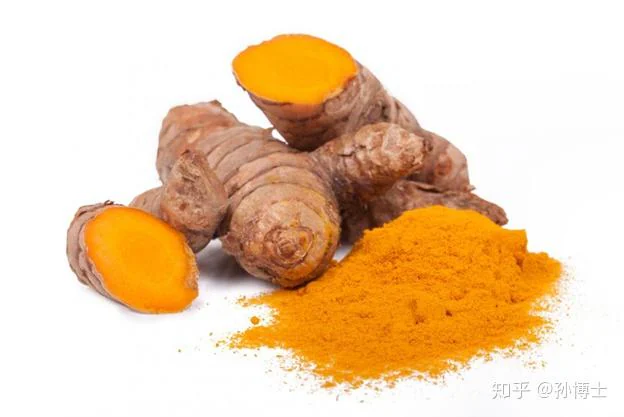
Turmeric and ginger are different plants, with different aromas and properties.
Modern research into turmeric and curcuminoids
Turmeric contains more than 100 constituents. Curcumin and two related compounds, demethoxycurcumin and bisdemethoxycurcumin, are biologically active and are considered major contributors to turmeric’s effects. Together, these three compounds are known as curcuminoids. Curcuminoids account for approximately 4% of turmeric, and curcumin makes up about 70% of the curcuminoid fraction.
Starting from the effects recorded in traditional medicine, researchers have reported a wide range of findings in cell and animal experiments. These include antioxidant and anti-inflammatory activity, effects on rheumatism and arthritis, changes in metabolic measures such as blood pressure, blood glucose and blood lipids, neurological and cognitive effects, improved exercise performance, inhibition of cancer cells, liver and cardiovascular protection, and antibacterial, antiviral and antifungal activity.
By January 2020, more than 150 human clinical studies concerning turmeric had examined a broad range of topics. These included inflammation, rheumatism, exercise recovery, skin and eye conditions, Alzheimer’s disease, cognitive decline, depression and anxiety, cardiovascular disease, liver protection, gallstones, intestinal inflammation, gastric ulcers, kidney transplantation, kidney disease, diabetes, obesity, AIDS, detoxification and various cancers.
The results were not consistent. Whether a study found a significant effect was closely related to the preparation and dose used. In reviewing the research, scientists identified an important problem: purified curcuminoids have very low bioavailability.
Bioavailability is a measure of how much of a substance reaches the body intact and is available for use. It depends on the substance’s inherent stability, its stability in the digestive tract, its ability to be absorbed, the rate at which the liver metabolises it, and its stability in the blood. Researchers found that purified curcuminoids are unstable, have poor water solubility that makes absorption difficult, and are rapidly metabolised by the liver.
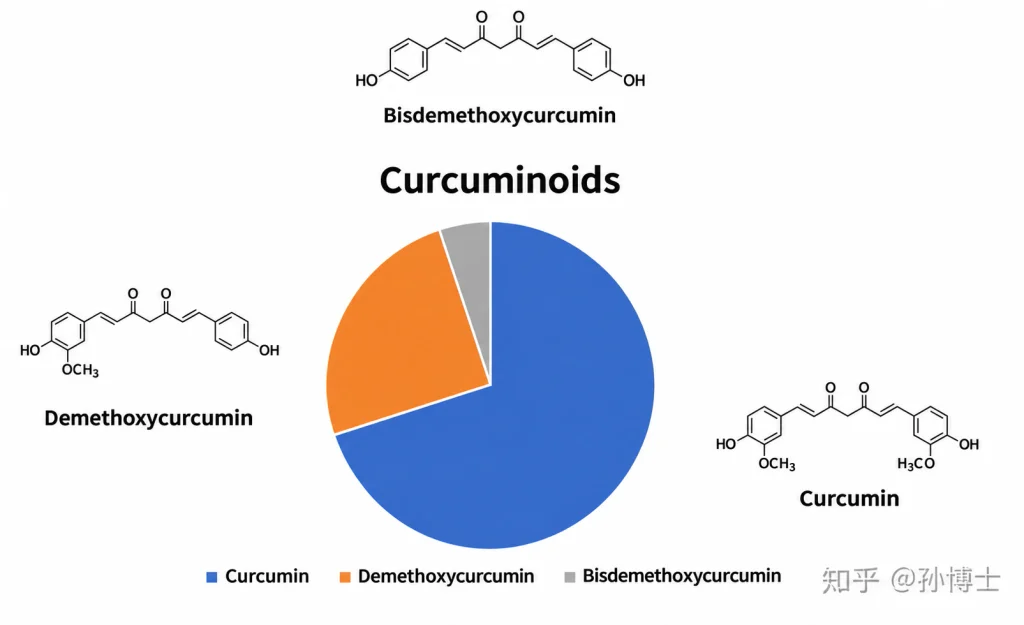
The relative proportions of curcumin, demethoxycurcumin and bisdemethoxycurcumin.
Trial doses versus dietary intake in India
Early human trials generally used very high doses of a single constituent, curcumin itself. Participants commonly took 1–4 grams per day, and some studies used as much as 12 grams daily. By contrast, surveys of turmeric intake in India estimated daily curcumin consumption at around 80–200 mg. Another paper proposed that an intake of approximately 150 mg per day contributed to India’s lower cancer incidence. This large difference between dietary intake and the doses used to obtain effects in trials was attributed to curcumin’s poor bioavailability.
Improving curcumin bioavailability
Ways to increase the bioavailability of curcumin and curcuminoids quickly became a major focus of turmeric research. One particularly inventive approach came from Shoba and colleagues in India. Turmeric is often consumed with black pepper, whose active constituent, piperine, can inhibit certain liver and intestinal enzymes. The researchers therefore administered piperine alongside curcumin and reported a 20-fold increase in curcumin bioavailability in human volunteers.
Published in 1998, this finding had a lasting influence on turmeric use and subsequent clinical studies. Curcumin or curcuminoids combined with piperine produced significant results in several randomised, double-blind trials, particularly for inflammation, joint pain, itching, blood lipids and cholesterol. The finding also offered a partial explanation for the difference between dietary intake in India and the doses used in curcuminoid trials.
Attempts to reproduce elements of the Indian diet inspired further ideas. Researchers also considered the fats consumed alongside turmeric. The possibility that fat-induced bile secretion might improve absorption of fat-soluble curcuminoids contributed to the development of a proprietary ingredient, BCM-95.
This preparation combines the three curcuminoids with turmeric essential oil. The precise technical details were not disclosed, so I cannot speculate about them. In bioavailability testing, the preparation was reported to have 6.3 times the bioavailability of a conventional curcumin, lecithin and piperine combination.
According to the evidence reviewed in the original article, BCM-95 had significant findings from double-blind, placebo-controlled trials relating to depression, oral leukoplakia and outcomes during radiotherapy for prostate cancer. Studies of joint pain and oral submucous fibrosis also reported significant findings, although the evidence was of a lower grade. A trial examining cognitive function did not find a significant effect.
Some researchers took dietary imitation further. Onions are a frequent part of Indian meals and contain the natural compound quercetin. Researchers therefore tested curcumin together with quercetin. In a randomised, placebo-controlled study of kidney transplant recipients, the combination significantly improved early graft function, lowered serum creatinine and reduced the risk of acute rejection and injury. In five patients with familial adenomatous polyposis, curcumin plus quercetin was associated with reductions of 60.4% in polyp number and 50.9% in polyp size.
A particularly direct attempt to reproduce dietary consumption appeared in a 2009 human study. Eight healthy participants ate a curry mixture containing turmeric and several other spices. The researchers reported improved intestinal motility and activation of hydrogen-producing bacteria in the large intestine.
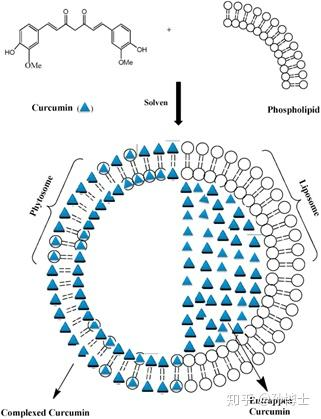
A schematic used in the original article to illustrate the technology behind the proprietary ingredient Meriva.
Beyond dietary approaches, researchers have also used specialised delivery systems to increase curcumin bioavailability. One of the best-known proprietary ingredients is Meriva. It combines curcumin with phospholipids to form a complex intended to improve absorption.
Meriva was promoted as the turmeric preparation with the most clinical evidence, citing more than 30 studies involving a combined total of 2,000 participants. However, in the author’s assessment of the evidence available at the time, there was only one randomised, double-blind, placebo-controlled study, examining its use alongside steroid treatment for psoriasis, which reported a significant effect. Other studies with lower levels of evidence reported some significant findings for joint pain, inflammation, eye health, vascular function and exercise.
When choosing a Meriva product, the dose on the label needs careful interpretation. It commonly refers to the total complex, of which curcumin or curcuminoids generally account for approximately one fifth.
At the time of writing, Longvida and Theracurmin were presented as potentially among the most bioavailable and most expensive turmeric ingredients. Longvida uses what is described as solid lipid curcumin particle technology, although I do not know the precise technical details, and was claimed to offer 95 times the bioavailability of ordinary curcumin. Theracurmin uses a nanoparticle-based preparation and was claimed to offer 40 times the bioavailability of ordinary curcumin powder.
Human studies of these two proprietary ingredients were still relatively few, but their reported effects on the brain were of particular interest. A randomised, double-blind, placebo-controlled Longvida study reported improvements in concentration and attention, as well as reductions in total cholesterol and low-density lipoprotein, or LDL cholesterol. The original article describes a randomised, double-blind Theracurmin trial as finding improvements in spaced retrieval, visual memory and attention in patients with Alzheimer’s disease.
Research has also found that whole turmeric can produce some physiological effects different from those of curcuminoids alone. This suggests that other turmeric constituents may be biologically active. In choosing a turmeric preparation, therefore, I think a concentrated whole-turmeric extract may be worth considering, provided that its curcuminoid content is adequate.

Example ingredient declaration: 200 mg of whole-turmeric extract, equivalent to 4 g of dried rhizome, containing 130 mg of standardised curcuminoids. This is the historical example shown in the original article.
Emerging research into turmeric and ageing
Alongside its traditional uses, research into turmeric, ageing and lifespan has grown. As early as 2006, researchers reported that curcumin extended mean lifespan in fruit flies from 63.9 to 76.9 days, an increase of approximately 20%.
Studies published in the years preceding the original article also reported that curcumin could counteract SASP factors secreted by senescent cells, exert senolytic effects, activate AMPK, inhibit mTOR, stimulate autophagy and inhibit cancer cells. These findings were limited to cell experiments and certain animal models.
In an animal study published in 2020, curcumin was tested with niacin, an NAD+ precursor, and the adenosine A2A receptor antagonist ZM241385. The combination of all three produced the strongest effects on Parkinson’s-like symptoms in the mouse model. The study authors suggested that curcumin and niacin supplementation might have therapeutic potential. I hope that human studies of curcumin, alone or with NAD+ precursors, in ageing will follow.
Turmeric and COVID-19: the research context in 2020

The original article reported that an oral spray containing artemisinin and curcumin had entered a phase II COVID-19 trial in Israel. The screenshot records a historical trial listing, not a current trial status.
Turmeric has been investigated for antiviral and anti-inflammatory effects. A major source of harm in severe COVID-19 was understood to be the cytokine storm associated with an excessive immune response. At the time of writing, researchers in India, China, Israel and Iran had published papers or undertaken clinical studies exploring whether turmeric might help prevent or treat COVID-19. In Israel, an oral spray whose main constituents were artemisinin and curcumin had reportedly entered a phase II trial. I looked forward to seeing the results.
Negative findings and criticism of turmeric research
Attention also brings controversy. As one of the most widely studied natural ingredients, turmeric has attracted high expectations and substantial research funding. However, the findings and reporting have not all been positive. Criticism broadly falls into two categories: whether turmeric actually has useful effects, and the safety of taking large doses over a long period.
In January 2017, Nelson and colleagues at the University of Minnesota published a paper questioning curcumin’s medicinal value and describing its potential to interfere with laboratory assays. A central argument was that, despite more than 120 published human studies, curcumin itself, referred to as compound 1, had not produced conclusive evidence in randomised, placebo-controlled trials.
The paper was covered by Nature News, which also interviewed some of the authors. Chinese science platforms translated and circulated that news report. However, it was sometimes presented as though the research paper itself had appeared in Nature. In fact, the paper was published in the Journal of Medicinal Chemistry and was subsequently covered by Nature’s news service.
Something that received less attention in Chinese media was Dr Heger’s March 2017 commentary in Nature, Don’t discount all curcumin trial data. Heger, of the University of Amsterdam, challenged the account of the clinical evidence. As summarised in the original article, there had been 49 double-blind, placebo-controlled human trials, 17 of which reported efficacy, alongside another 27 human studies and five animal studies reporting beneficial findings.
That said, I do not think Nelson and colleagues were entirely wrong. Their review focused on pure curcumin rather than including the other two curcuminoids. Early studies paid less attention to bioavailability, which contributed to a greater number of negative results. Later human studies increasingly used the full curcuminoid mixture, concentrated turmeric extracts, specially formulated curcuminoids, or curcuminoids administered with other substances.
My overall impression at the time was that more recent turmeric trials were producing more positive results. The paper and the discussion that followed can be seen as one episode in a much longer research process, illustrating how many wrong turns have been taken along the way.
Questions about long-term, high-dose use
More concerning than that debate are the possible risks of taking large amounts of curcumin over a long period. The original article notes turmeric’s inclusion among substances recognised as safe for certain food uses in the US and describes the absence of major adverse effects in the clinical studies it discusses. However, it also argues that adequate human safety data for sustained high-dose curcumin or curcuminoid use were lacking.
Burgos-Morón and colleagues in Spain raised this concern. In animal models, curcumin had been associated with possible iron-deficiency anaemia, and its inhibition of liver enzymes could potentially interfere with the metabolism of other medicines. They suggested an intake resembling the Indian diet, at approximately 150 mg of curcumin daily.
The author relates this to an acceptable daily intake, or ADI, of 0–3 mg/kg body weight for curcumin attributed to the World Health Organization. Multiplying 3 mg/kg by 70 kg gives 210 mg per day, which the original article characterises as very safe. This is the author’s historical interpretation of the food-additive ADI, rather than a newly verified supplement-safety recommendation.
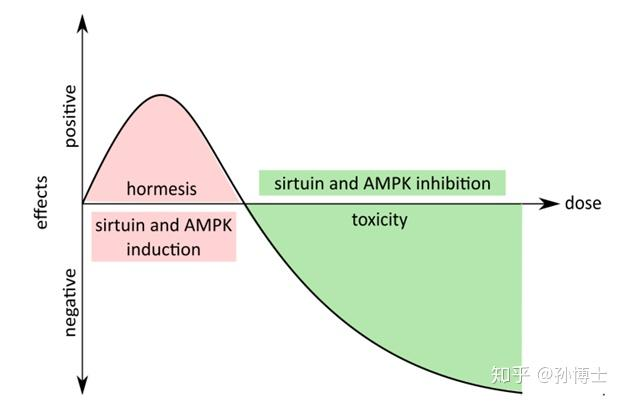
Bielak-Zmijewska and colleagues in Poland raised similar concerns. They discussed findings in which lower curcumin doses increased sirtuin and AMPK activity, while higher doses could shift this activation towards inhibition and possible toxicity. Excessive effects on senescent cells might also have negative consequences.
My views on turmeric and traditional medicine
Many readers have asked me, through comments or private messages, what I think about Chinese herbal medicine. This article provides an opportunity to share some personal views.
Almost every civilisation began treating disease with herbs, and the experience and practices built around them are generally called traditional medicine. The ongoing online argument about Chinese versus Western medicine would be more accurately described as a debate about traditional versus modern medicine.
In my view, traditional medicine’s strength is its long history of use across large populations, which can provide a degree of support for safety and effects. Its weaknesses include difficulty establishing mechanisms, challenges in conducting high-quality human trials that can rule out placebo effects, complicated preparation methods and barriers to industrial-scale production. Modern medical methods can address many of these shortcomings. On the other hand, modern drug development has its own problems, including high costs, long development times and safety risks. Simply declaring one approach superior is therefore unhelpful.
The herbal knowledge of every civilisation is a valuable resource from which useful substances may be discovered. I have little doubt that herbal constituents can have biological activity and physiological effects. Their effects vary, and many require other constituents or special formulations to work effectively. Experience accumulated over history should not be dismissed wholesale as unscientific.
More active compounds have indeed been identified in herbs, including ephedrine and artemisinin. Other herbal compounds have served as leads for chemical modification and modern drug development; metformin is discussed here as an example of that broader history. Investigating the active constituents of traditional remedies is itself an important area of modern research.
The challenges include identifying the active constituents, limitations in measurement methods, and the substantial influence of preparation on biological effects. Researching traditional medicine can be thought of as working backwards from observed human outcomes to possible molecular mechanisms. It is a long process that requires repeated testing and correction.
Turmeric’s wide range of reported effects attracted academic interest, and extensive research and clinical work have been needed to investigate how it might be administered effectively and what effects it may produce. I think research into herbal constituents requires patience. Many potentially valuable substances in traditional Chinese medicine may still be overlooked, and I hope advances in technology will allow them to be properly assessed.
Conclusion
Turmeric research has taken many wrong turns. The thousands of published studies vary greatly in quality, use many different preparations and report both significant and non-significant results. This has contributed to sharply divided opinions among researchers.
In the author’s assessment at the time of writing, several recent high-quality human trials had supported curcuminoid effects. Apart from proprietary formulations, I considered the human evidence to suggest that methods of consuming turmeric closer to traditional practice often produced more noticeable effects. I expected further improvements in biotechnology and turmeric formulations to bring more high-quality evidence.
Turmeric’s proposed AMPK activation and effects on senescent cells led me to regard it as a potentially suitable companion to NAD+ precursors. For those preferring natural-ingredient approaches, my recommendation in the original article was a concentrated turmeric preparation with piperine. The label should clearly state its standardised curcuminoid content.
With piperine, the original article suggested a total curcuminoid intake of around 100–200 mg daily, described as similar to dietary intake in India, preferably after food because fats may improve absorption. It also suggested adding quercetin to enhance the effects further. These are the author’s 2020 recommendations, retained here as part of the translation.
Those preferring the convenience of specialised formulations could consider proprietary ingredients such as Meriva, Theracurmin, Longvida or BCM-95. Although proprietary ingredients may sound more advanced, at the time of writing there were no head-to-head human trials comparing all of these preparations, and it was unclear whether they were superior to combinations of ingredients. They also tended to be expensive, so the choice should reflect what one can afford.
References
- Chinese Pharmacopoeia. Entry for turmeric (Jianghuang).
- Jurenka et al. 2009. Anti-inflammatory Properties of Curcumin, a Major Constituent of Curcuma longa: A Review of Preclinical and Clinical Research. Altern Med Rev. 2009 Jun;14(2):141–153.
- Benzie IFF, Wachtel-Galor S, editors. Herbal Medicine: Biomolecular and Clinical Aspects. 2nd edition. Chapter 13, Turmeric, the Golden Spice. Boca Raton (FL): CRC Press/Taylor & Francis; 2011.
- Rastogi et al. 2008. Cancer Incidence Rates Among South Asians in Four Geographic Regions: India, Singapore, UK and US. Int J Epidemiol. 2008 Feb;37(1):147–160. DOI: 10.1093/ije/dym219. Epub 19 December 2007.
- Goggins et al. 2009. Cancer Among Asian Indians/Pakistanis Living in the United States: Low Incidence and Generally Above Average Survival. DOI: 10.1007/s10552-008-9275-x. Epub 6 December 2008.
- Shoba et al. 1998. Influence of Piperine on the Pharmacokinetics of Curcumin in Animals and Human Volunteers. Planta Med. 1998 May;64(4):353–356. DOI: 10.1055/s-2006-957450.
- Antony et al. 2008. A Pilot Cross-Over Study to Evaluate Human Oral Bioavailability of BCM-95®CG (Biocurcumax™), A Novel Bioenhanced Preparation of Curcumin. Indian J Pharm Sci. 2008 Jul–Aug;70(4):445–449. DOI: 10.4103/0250-474X.44591.
- Suckow et al. 2006. Lifespan Extension by the Antioxidant Curcumin in Drosophila melanogaster. Int J Biomed Sci. 2006 Dec;2(4):402–405.
- Bielak-Zmijewska. 2019. The Role of Curcumin in the Modulation of Ageing. Int J Mol Sci. 2019 Mar;20(5):1239.
- Hewlings et al. 2017. Curcumin: A Review of Its Effects on Human Health. Foods. 2017 Oct;6(10):92.
- Suckow et al. 2006. Lifespan Extension by the Antioxidant Curcumin in Drosophila melanogaster. Int J Biomed Sci. 2006 Dec;2(4):402–405. Repeated in the original reference list.
- Motawi et al. 2020. Potential Therapeutic Effects of Antagonizing Adenosine A2A Receptor, Curcumin and Niacin in Rotenone-Induced Parkinson’s Disease Mice Model. Mol Cell Biochem. 2020 Feb;465(1–2):89–102. DOI: 10.1007/s11010-019-03670-0. Epub 9 December 2019.
- Zahedipour et al. 2020. Potential effects of curcumin in the treatment of COVID-19 infection. Phytother Res. Published 19 May 2020. DOI: 10.1002/ptr.6738.
- Liu et al. 2020. The Inhibitory Effect of Curcumin on Virus-Induced Cytokine Storm and Its Potential Use in the Associated Severe Pneumonia. Front Cell Dev Biol. 12 June 2020. DOI: 10.3389/fcell.2020.00479.
- Manoharan et al. 2020. Curcumin: a Wonder Drug as a Preventive Measure for COVID19 Management. Indian Journal of Clinical Biochemistry. 35:373–375.
- Nelson et al. 2017. The Essential Medicinal Chemistry of Curcumin. J Med Chem. 2017 Mar 9;60(5):1620–1637.
- BCM-95 monograph, March 2019. Link supplied in the original article.
- Meriva scientific support. Link supplied in the original article.
- Deceptive curcumin offers cautionary tale for chemists. Nature News.
- Don’t discount all curcumin trial data. Nature.
- JECFA food-additive database entry. Link supplied in the original article.