NAD+ precursors and gut microbiome research are adding a new layer to the discussion around niacin, nicotinamide, NR and NMN. New human research suggests that microbial metabolism may influence how some precursors are processed before downstream NAD+ changes are measured.
Most conversations about NAD+ supplements focus on a simple question: which precursor is best?
Niacin, nicotinamide, nicotinamide riboside (NR) and nicotinamide mononucleotide (NMN) are often presented as competing options with a straightforward route to NAD+. But human metabolism is rarely that simple.
New research suggests that the gut microbiome may play a meaningful role in how some NAD+ precursors are processed. This does not mean NMN or NR are “just niacin”, and it does not prove that one pathway is universally better. It does add an important layer to the discussion: the journey between a capsule and circulating NAD+ may involve more than one metabolic step.
A quick refresher: what are NAD+ precursors?
NAD+ is a coenzyme involved in many normal cellular processes, including energy metabolism and redox reactions. Because NAD+ levels and metabolism are active areas of ageing research, several vitamin B3-related compounds are marketed as NAD+ precursors.
The most commonly discussed options include:
- Nicotinic acid, commonly called niacin
- Nicotinamide, also called niacinamide
- Nicotinamide riboside, or NR
- Nicotinamide mononucleotide, or NMN
These compounds are related, but they do not necessarily follow identical metabolic routes.
For a broader comparison, read our guide to niacin vs NMN vs NR.
What the new human study found
A 2026 study compared nicotinamide, NR and NMN in 65 healthy participants over 14 days. The researchers reported that NR and NMN produced comparable increases in circulating NAD+ concentrations, while nicotinamide did not show the same sustained effect in that study design.
The more interesting finding was related to the gut microbiome. Using human microbiota fermentation experiments, the researchers found evidence that NR and NMN can give rise to nicotinic acid through microbial metabolism. Nicotinic acid was then shown, in an ex vivo whole-blood model, to be a potent NAD+ booster.
In plain English: part of the effect of NR and NMN may involve metabolic activity in the gut before downstream NAD+ changes are seen.
Does this mean NMN becomes niacin?
Not exactly.
The accurate interpretation is that the study proposed a gut-dependent model in which NR and NMN may be partly metabolised by gut microbes into nicotinic acid. It does not show that every dose of NMN becomes niacin in every person, nor that NMN, NR and niacin are interchangeable.
The study was also relatively short, involved healthy participants and used an open-label design. Several authors had industry affiliations. Those limitations do not invalidate the results, but they matter when deciding how strongly to interpret them.
The practical takeaway is simpler: NAD+ metabolism is a network, not a single straight line.
Why individual responses may differ
People do not have identical diets, genetics, medication use or gut microbiomes. Those differences may help explain why one person reports a noticeable change from an NAD+ precursor while another does not.
A 2024 analysis of a placebo-controlled NMN trial also found substantial variation in NAD+ responses between participants. Even when average blood NAD+ changes were positive, individual responses varied considerably.
That is a reason to be sceptical of claims that one ingredient works the same way for everyone.
What this means when choosing an NAD+ supplement
The newest research does not establish a universal winner between niacin, NR and NMN. It does support a more sensible way to evaluate NAD+ products.
Look beyond a single headline ingredient and ask:
- Is every ingredient and dose clearly disclosed?
- Is the formula built around a logical rationale rather than a long proprietary blend?
- Does the company provide batch-specific quality information?
- Are the claims proportional to the human evidence?
- Is the product priced reasonably based on the full daily serving?
A multi-ingredient formula can be reasonable when it is transparent and thoughtfully designed. But adding more compounds does not automatically make a product more effective. The evidence for combinations is often less established than the evidence for individual ingredients.
What human research can and cannot tell us
Human studies of NR and NMN have reported changes in NAD-related blood measures. A 2024 NMN study in older adults reported increased blood NAD+ measures after 12 weeks, alongside selected secondary outcomes. A separate 2024 study reported that a single 900 mg dose of NR increased measured cerebral NAD+ in a small group of healthy volunteers.
These are useful findings for understanding metabolism. They are not proof that NAD+ precursors reverse ageing, treat disease or guarantee improvements in energy, cognition or longevity.
That distinction matters. A change in a biomarker can be scientifically interesting without establishing a broad health outcome.
The bottom line
The gut microbiome may be one missing piece in the NAD+ precursor conversation.
The latest human research suggests NR and NMN may interact with microbial metabolism in ways that contribute to their downstream NAD+ effects. This makes the biology more interesting, but it also makes simplistic marketing claims less credible.
There is still no single “best” NAD+ precursor for every person. The more useful approach is to choose transparent products, understand the limits of the evidence and avoid treating early research as a guarantee.
For personalised advice, especially if you take medication, have a medical condition, are pregnant or breastfeeding, speak with a qualified health professional.
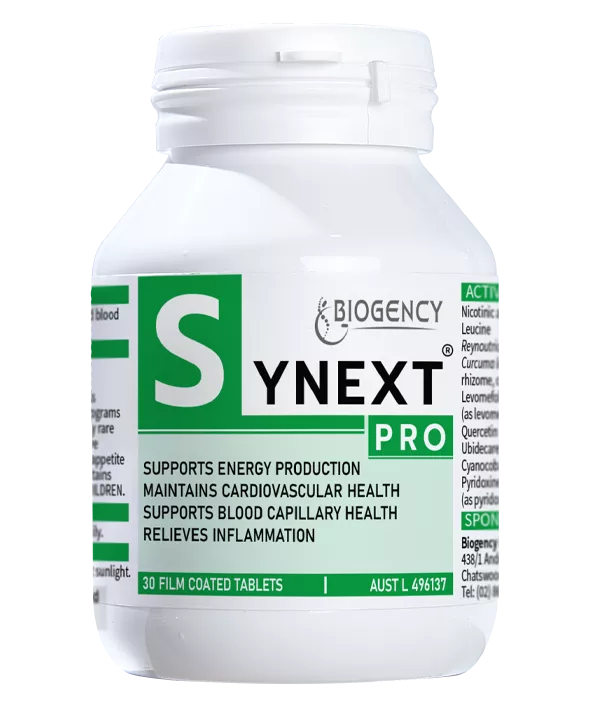
For readers comparing a transparent NAD+ precursor formula, review the full ingredient panel, directions for use and warnings before choosing a product.
References
- Christen S, et al. The differential impact of three different NAD+ boosters on circulatory NAD and microbial metabolism in humans. Nature Metabolism. 2026.
https://pubmed.ncbi.nlm.nih.gov/41540253/ - Morifuji M, et al. Ingestion of beta-nicotinamide mononucleotide increased blood NAD levels, maintained walking speed, and improved sleep quality in older adults. GeroScience. 2024.
https://pubmed.ncbi.nlm.nih.gov/38789831/ - Hodzic Kuerec A, et al. Towards personalized nicotinamide mononucleotide supplementation: NAD concentration. Mechanisms of Ageing and Development. 2024.
https://pubmed.ncbi.nlm.nih.gov/38430946/ - Nanga RPR, et al. Acute nicotinamide riboside supplementation increases human cerebral NAD+ levels in vivo. Magnetic Resonance in Medicine. 2024.
https://pubmed.ncbi.nlm.nih.gov/39044608/