NMN vs niacin is becoming a more important question as new research changes how scientists understand NAD+ metabolism.
NMN, short for nicotinamide mononucleotide, is widely marketed as a direct precursor to NAD+. The simple story is familiar: take NMN, raise NAD+, and support cellular energy.
The biology, however, is more complex.
Recent metabolic research suggests that orally consumed NMN may not always follow one direct route into NAD+. Instead, some of it may be processed through pathways involving nicotinic acid, also known as niacin, before contributing to NAD+ production.
NMN, Niacin and NAD+: The Basic Difference
NAD+ is a coenzyme involved in normal cellular energy metabolism. The body can make NAD+ through several pathways using vitamin B3-related compounds.
These include:
- Nicotinic acid, commonly called niacin
- Nicotinamide
- Nicotinamide riboside, or NR
- Nicotinamide mononucleotide, or NMN
- Dietary tryptophan, through a separate pathway
NMN is one of several compounds connected to NAD+ metabolism. Niacin is a broader vitamin B3 term, often used specifically to describe nicotinic acid.
They are related, but they are not identical.
What Did the New Research Find?
A recent tracer study in mice examined what happened after NMN and NR were taken orally. The researchers found that NAD+ production in the liver appeared to occur largely through the Preiss-Handler pathway, which uses nicotinic acid-related intermediates.
In plain English: orally consumed NMN may be metabolised, transformed and rerouted before it contributes to NAD+ production.
The study found that direct conversion of oral NMN and NR into NAD+ through the expected salvage pathway made a relatively small contribution in the tested mouse model.
That is an important finding because it challenges the oversimplified idea that oral NMN moves directly and unchanged into cells, then immediately becomes NAD+.
Does This Mean NMN Is Just Niacin?
No.
NMN is a distinct molecule, and the body may process it through more than one pathway. The research does not show that every dose of NMN becomes niacin in every person, in every tissue, under every condition.
What it does show is that metabolism matters.
The form on the supplement label is not necessarily the form that ultimately reaches a particular tissue or contributes to NAD+ synthesis. Oral NMN may be broken down, transformed, handled by the gut and liver, and incorporated into broader NAD+ metabolism through several steps.
That means the question should not only be, “Which single NAD+ precursor is best?”
A better question is, “How does this formula fit into the body’s wider NAD+ and energy-metabolism pathways?”
Why Formula Design Matters
The latest research is a reminder that NAD+ biology is not a one-ingredient story.
A product containing only one precursor may suit someone looking for a simple, single-ingredient option. Others may prefer a broader formulation designed around multiple nutrients relevant to normal energy metabolism and cellular processes.
A multi-ingredient formula may offer practical value when it combines ingredients a person would otherwise purchase separately. But this should be assessed carefully.
When comparing NAD+ support formulas, look at:
1. The complete ingredient list
Do not compare products only by the front-label ingredient. Check all active ingredients and their amounts.
2. The labelled daily dose
A lower bottle price does not automatically mean better value. Compare the cost per labelled day of use.
3. The regulatory and quality information
In Australia, check the AUST number where applicable, product warnings, manufacturing information and whether the label is clear and complete.
4. The purpose of the formula
A single-ingredient product and a multi-ingredient formula are not necessarily trying to do the same job. One may focus narrowly on a specific precursor, while another may take a broader nutritional approach.
5. What the evidence actually supports
Mechanistic research can help explain possible metabolic pathways.
A More Practical Way to Think About NAD+ Support
The goal should not be to chase the most fashionable precursor.
NAD+ metabolism involves multiple pathways, multiple tissues and multiple nutrient inputs. The latest research suggests that oral NMN may be processed through nicotinic acid-related pathways before contributing to NAD+ synthesis, particularly in preclinical models.
That makes formula transparency, sensible dosing and overall value more important than a single headline ingredient.
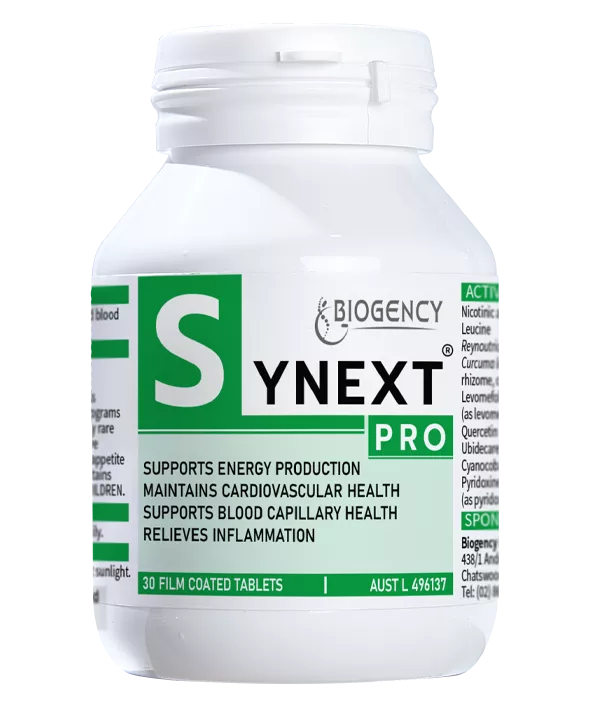
For people who prefer a broader daily formula rather than a standalone precursor, All-New Synext offers a multi-ingredient approach designed around NAD+ support, daily vitality and healthy ageing. Always compare the current product label, directions and warnings before choosing a supplement.
The Bottom Line
NMN is not simply niacin. But the latest research shows that oral NMN may be metabolised through nicotinic acid-related pathways before contributing to NAD+ production.
This is a useful reminder that NAD+ support is more complex than a single-step marketing claim.
Choose products based on the full formula, labelled daily dose, quality information and your individual needs. Always read the label and follow the directions for use.
Research references: mouse NAD+ metabolomics study, human NAD+ booster comparison study, and CD38/NMN metabolic pathway study.